Funding Roof Replacements
2026-01-20
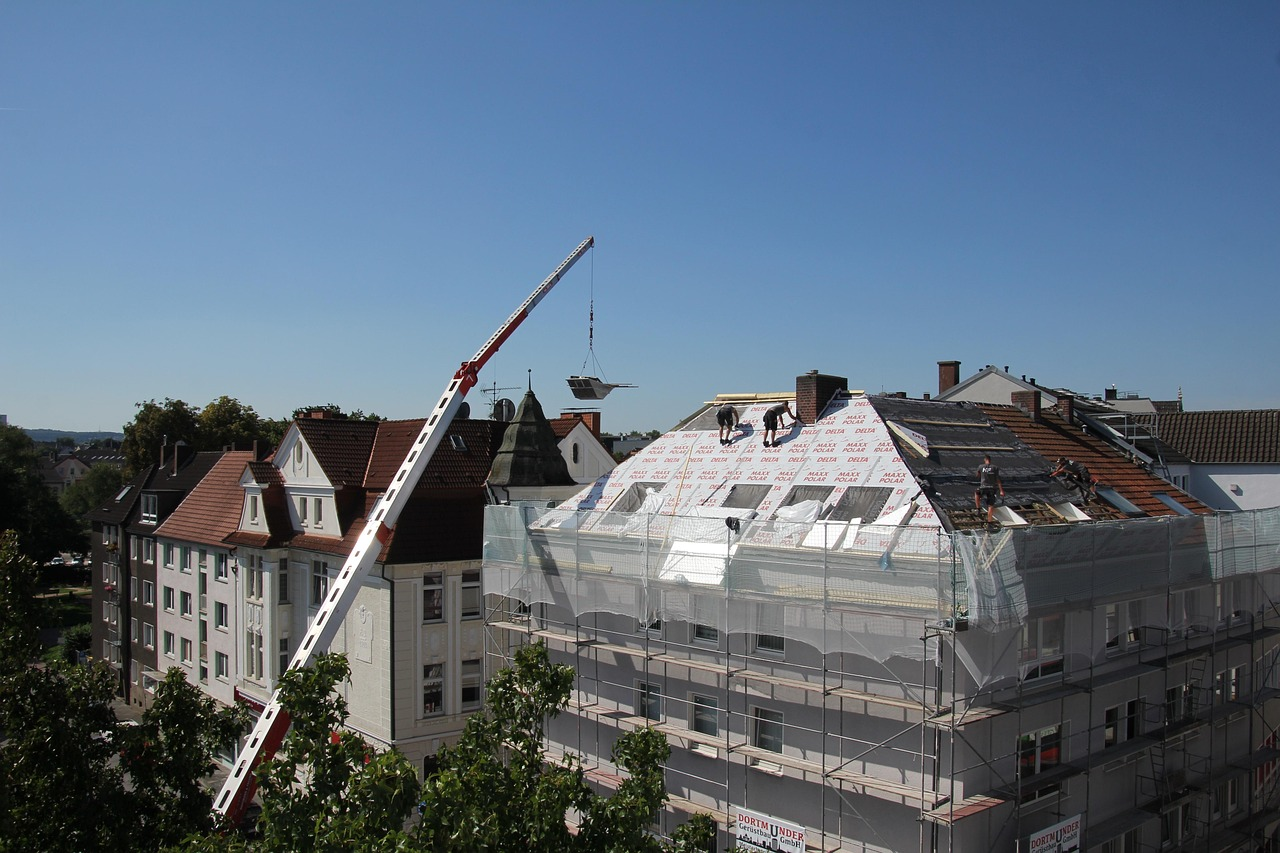
When you price out a six- or seven-figure roof job for an HOA, the hardest part usually isn’t the shingles, staging, or schedule. It’s the moment the board realizes what the number means in real dollars per unit — and how quickly owner support can evaporate.
Boards know they need the work. Engineers are flagging issues. Insurers are turning up the heat. But if the way you present roof replacement funding in an HOA feels like a shock, the project stalls, and your proposal goes cold.
The good news: you don’t have to become a banker. You just need to package the project so boards can talk about costs and funding paths without causing panic.
This article walks through what contractors should include in roof proposals so boards can tackle roof replacement funding HOA projects with less drama — and you can get more approvals across the finish line.
Key Takeaways
-
Boards are under real pressure from reserve requirements, insurance, and aging buildings; sticker shock alone can derail an otherwise solid roof proposal.
-
Contractors who include clear per-unit cost breakdowns, phased options, and realistic funding paths see faster approvals and fewer owner blowups.
-
Referencing reserve studies, compliance requirements, and long-term roof lifecycles helps boards justify the project to skeptical owners.
-
Partnering with association-focused lenders and sharing resources — like an HOA financing guide for roofers or a simple loan payment calculator — makes you a problem-solver, not just a bidder.
1. Why Roof Replacement Funding Is So Hard for HOAs Right Now
If you work with associations, you’ve probably seen the pattern: roofs are well past their useful life, the reserve study is ugly, insurance is getting harder to place, and yet the board is still hesitant. They’re not ignoring you; they’re trapped between compliance, cash flow, and owner politics.
In many states, condo and HOA boards are now required or strongly encouraged to complete reserve studies and fund reserves for big-ticket items like roofs, pavement, and structural components. (CAI) At the same time, a lot of older communities are under-reserved and facing catch-up projects that can easily reach $1–5 million. When those two realities collide, “we’ll just wait a couple of years” stops being a safe option.
On top of that, owners have been conditioned for years to expect low monthly dues. Raising assessments to close reserve gaps — or approving a massive special assessment — can trigger backlash, from angry meeting comments to actual recalls and lawsuits. Legal guidance often reminds boards that they must maintain roof reserve funds and can’t simply defer everything because it’s unpopular. Your proposal lands right in the middle of that tension.
2. Make the Cost Story Owner-Friendly, Not Just Line-Item Accurate
Most contractors are comfortable building a detailed scope and a clean number. The trouble is, a single seven-figure total is exactly what creates owner whiplash. Boards need you to translate that number into something they can defend.
Start with the basics you already do well: itemized scope, unit pricing, alternates, and a realistic schedule. Then add what boards rarely get from other bidders:
-
Per-unit cost math. If the project is $1.2M for a 100-unit condo, show the board how that translates to $12,000 per unit as a lump-sum assessment versus a monthly cost if it’s financed. Using tools like an association loan calculator lets you sanity-check monthly per-unit ranges (for example, $100–$130/month over 20–25 years).
-
Lifecycle framing. Tie the project back to expected roof life and reserve planning. Reserve studies often assume roofs will be replaced on a set schedule and funded in advance; your proposal should show how this project fits that plan instead of feeling like a random emergency.
This is a good place to point boards toward broader strategy content, like a guide on funding HOA projects without large special assessments, so they can see that spreading costs over time is a recognized approach, not a sales trick.
The more you help boards talk about “$X per unit per month for a safer, compliant roof” instead of “a million-dollar roof project,” the less likely it is that your proposal becomes the lightning rod.
3. Build a Simple Menu of Funding Paths (Without Becoming the Banker)
You’re not responsible for choosing how the HOA pays for your work. But if your proposal doesn’t acknowledge funding paths at all, boards are left to figure it out alone — and that’s when they stall.
Most communities cycle through a familiar set of options:
-
__Use existing reserves.
__ If the reserve study already includes a roof component and the fund is reasonably healthy, the board might be able to cover part of the cost from cash in the bank. But a lot of condos are under-reserved; law firms frequently remind boards that they’re required to maintain reserves for roofs and other major components, yet many didn’t fund them adequately in previous years. -
__Levy a special assessment.
__ A one-time per-unit assessment has been the traditional fix for major projects. In practice, owners hit with $15,000–$30,000 bills often push back hard or simply can’t pay. Collection issues, payment plans, and even foreclosures can follow, which undercuts the board’s ability to move quickly and can hurt property values. -
__Use an association loan.
__ Instead of squeezing owners all at once, boards can borrow as the association and spread repayment over 5–25 years. Specialized association loans are designed for capital projects like roofs, with underwriting that focuses on the association’s financials rather than individual credit scores.
You don’t need to recommend a specific lender, but you can structure your proposal to show how your project fits each path. A simple one-page appendix might say:
-
“If funded from reserves, the project requires drawing down $X from current roof reserves.”
-
“If funded by special assessment, approximate per-unit cost is $Y.”
-
“If funded by an association loan, estimated per-unit monthly cost is Z over N years (based on example terms from a typical association lender).”
That’s enough to help boards frame a productive conversation without putting you in the position of giving formal financial advice.
4. Include the Documents Lenders and Managers Will Ask For Anyway
Even if the board hasn’t mentioned financing yet, assume someone is going to ask about it once your proposal hits the agenda. Community managers, reserve analysts, and association lenders all rely on the same core documents — and you can make those easy to assemble.
A strong roof replacement funding package for an HOA usually includes:
-
Detailed scope and bid form. Clear line items for tear-off, decking repairs, underlayment, flashing, ventilation, and contingencies. The more specific you are, the easier it is for the reserve study and loan term sheet to line up with your numbers.
-
Phase and access plan. Lenders and managers like to see how disruption will be managed and how long key phases will last. A simple phase map and timeline — even if it’s just “buildings 1–3 in months 1–3, buildings 4–6 in months 4–6” — makes the project more predictable.
-
Proof of useful life and warranty. Boards need to justify why this isn’t a short-term patch. Linking your scope to manufacturer warranty requirements and expected lifespan gives them talking points for owners and insurers.
This is also where you can point managers and boards toward reference material, such as an HOA financing FAQ that explains how association loans handle projects like roofing, concrete, and plumbing. When the information comes from a neutral educational resource, it tends to carry more weight than a contractor handout alone.
5. Help Boards “Sell” the Project Without Sugarcoating the Cost
You’ve probably sat through at least one tense town hall where owners were furious before the meeting even started. The numbers felt sudden, the message was fuzzy, and the board was on its heels.
A better outcome starts with the proposal you hand them.
First, connect funding back to legal and fiduciary obligations, not just aesthetics. Many legal and management resources stress that boards must maintain roofs and other major components and that reserves are specifically meant for these large, infrequent expenses. When you reference that reality — instead of framing the project as “nice to have” — boards have firmer ground with skeptical owners.
Second, give them plain-language scripts and visuals they can adapt:
-
A one-page summary that says, for example, “Our current roof is at the end of its 25-year life; failure to replace it risks leaks, mold, and higher insurance premiums. We can fund it through a $20,000 per-unit special assessment or a $180/month per-unit increase over 20 years.”
-
A simple chart comparing “no loan / special assessment” to “association financing,” using realistic numbers pulled from publicly available association loan examples or from an HOA project financing article aimed at boards.
Finally, be available for one or two key meetings. When contractors take the time to join a board session — even virtually — and answer technical questions, it reassures owners that the board isn’t rushing into a bad deal and that the project is grounded in real building needs, not optional upgrades.
One Thing to Remember
If there’s a single shift that helps both you and the board, it’s this: don’t just price the roof — package the funding conversation.
When your proposal shows clear per-unit math, realistic funding paths, and the documents managers and lenders will ask for anyway, boards can move from “we’ll think about it” to “here’s how we’re going to do it” much faster. That’s what gets roofs replaced, buildings protected, and your jobs approved without owner whiplash.
FAQs
How can a roofing contractor bring up association loans without sounding pushy?
Keep it educational and neutral. Instead of recommending a specific lender, acknowledge that many HOAs fund large projects through a mix of reserves, special assessments, and association loans, then provide example per-unit numbers for each path. You can also share neutral resources about HOA financing and let the board take the lead on next steps.
Should I always include financing scenarios in my roof proposals for HOAs?
If the project is large enough to require either a special assessment or a major reserve draw, including simple scenarios is a smart default. Boards may ignore them if they don’t need financing, but when reserves are short, those scenarios often become the starting point for a serious funding discussion instead of another round of delays.
What documents do lenders usually ask for on HOA roof projects?
Association lenders typically want a signed contract or proposal, detailed scope, reserve study, current financials, delinquency reports, and governing documents. When your proposal already includes a clear scope, timeline, and cost breakdown, it plugs into that package with minimal extra work for the board or manager.
How detailed should my per-unit cost breakdown be?
You don’t need a 20-page spreadsheet, but you do want enough detail for the board to explain the math to owners. Showing per-unit cost as a lump sum and as an estimated monthly payment over common loan terms (for example, 10, 15, or 20 years) is usually enough. Just make sure you label those numbers as examples and encourage the board to confirm them with their financial advisors.
What if the HOA decides to delay the roof replacement despite my proposal?
Delays happen, especially in communities with limited reserves or owner resistance. When that occurs, document any visible risks you’ve identified (leaks, deck damage, code issues) and remind the board of recommended timelines. That protects you professionally and positions your firm as the contractor who took their long-term interests seriously when they’re finally ready to proceed.
How can contractors work better with community managers on roof replacement funding?
Treat managers as partners, not gatekeepers. Share your proposal early, ask what documents they’ll need for their board packet, and offer a short project summary they can drop directly into meeting materials. When managers see you as someone who makes their job easier — especially around owner communication and funding clarity — they’re far more likely to advocate for your proposal.
Do financing options change how I should structure my roofing scope?
The technical scope doesn’t change, but the way you phase and present it might. Projects funded with loans sometimes benefit from clear phases tied to draw schedules, while projects using reserves may prioritize the most critical buildings first. If you can show how your scope can adapt to different funding structures without compromising quality, boards have more flexibility to say yes.